



Yes, you can smoke a dry cigar, but it is usually not a good idea. When a cigar loses too much moisture, the tobacco can burn faster and hotter than intended, producing harsh smoke, bitter flavors, and an uneven burn. The wrapper may also crack or unravel as the cigar heats up.
The good news is that a cigar that has only recently dried out may still be recoverable. Instead of smoking it immediately, slow rehydration in a controlled environment is usually the better option.
What Is a Dry Cigar?
A dry cigar is one that has lost a significant amount of its natural moisture because it was stored in conditions that were too dry or was left outside a humidor for too long.
Premium cigars contain moisture that helps the tobacco burn at a controlled rate and allows its flavors and aromas to develop properly. When that moisture is lost, the cigar’s construction and smoking characteristics can change.
Common signs of a dry cigar include:
- A brittle or papery wrapper
- Small cracks in the outer leaf
- A noticeably lighter feel
- Tobacco that feels unusually firm or crunchy
- A weak or dusty aroma
- A cigar that appears to be losing its natural flexibility
- An unusually fast or uneven burn
If you are unsure whether a cigar is actually dry, comparing it with a properly stored cigar can make the difference easier to notice. You can also read our guide on How to Tell If a Cigar Is Fresh? for more signs to look for before smoking.
Can You Smoke a Dry Cigar?
Technically, yes. However, smoking a significantly dried-out cigar will rarely provide the experience you expect from a properly stored cigar.
A dry cigar can burn much faster because the tobacco has lost moisture. The smoke may become hotter and more aggressive, while the flavors can taste flat, bitter, or unusually sharp.
The wrapper is another concern. Once the outer leaf becomes too dry, it loses flexibility. As the cigar heats up, the wrapper can crack, split, or begin to unravel.
For that reason, if the cigar is only slightly dry, it is generally better to restore it before smoking. If it is severely damaged, rehydration may not be enough to bring it back to its original condition.
What Happens If You Smoke a Dry Cigar?
Several things can happen when you smoke a cigar that has lost too much moisture.
1. It Burns Too Fast
Moisture helps regulate how tobacco burns. When a cigar becomes excessively dry, it can burn more rapidly than intended.
This can make the smoking experience feel rushed and can produce hotter smoke. You may also need to manage the burn more frequently to keep it under control.
2. The Smoke Can Taste Harsh or Bitter
One of the most noticeable changes is flavor.
A properly stored cigar can develop layers of flavor and aroma, while a dried-out cigar may taste flat, bitter, sharp, or acrid. The subtle characteristics of the tobacco can become much harder to appreciate.
This is especially disappointing with premium cigars, where the tobacco’s flavor profile is an important part of the experience.
3. The Wrapper Can Crack
Dry tobacco leaves become fragile.
As the cigar heats during smoking, the wrapper can expand and contract enough to cause existing weak spots to split. A crack can start small and gradually become large enough to affect the entire wrapper.
If the wrapper is already badly cracked before you light the cigar, smoking it may simply make the problem worse.
4. The Burn May Become Uneven
A dry cigar does not necessarily burn perfectly evenly just because it burns quickly.
Differences in moisture throughout the cigar can contribute to an inconsistent burn. You may notice one side burning faster than the other, requiring repeated corrections.
5. The Draw and Overall Experience May Change
Drying can also affect the physical feel of a cigar.
Depending on its condition and construction, it may feel unusually light or fragile. The smoking experience can become noticeably different from what the cigar was designed to deliver.
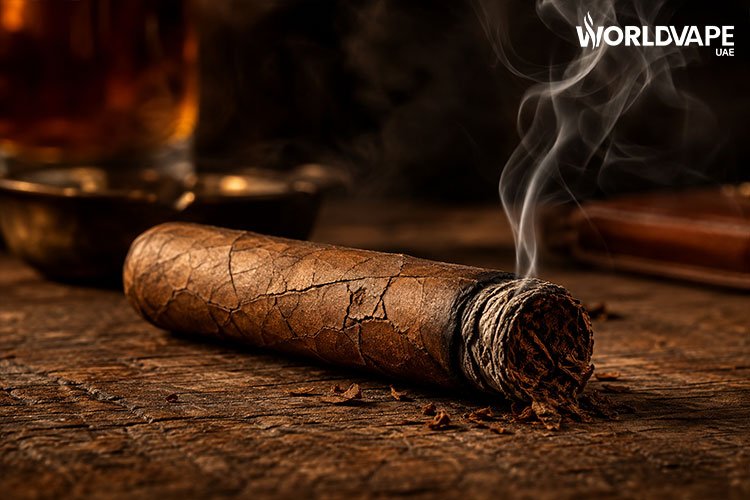
Are Cigars Ruined If They Dry Out?
Not necessarily.
A cigar that has become slightly or moderately dry may still be worth saving. The most important factors are how dry it became, how long it remained dry, and whether the wrapper and filler tobacco are still structurally intact.
A cigar with a slightly dry wrapper but no major cracks has a better chance of recovering than one that has become extremely brittle and is falling apart.
However, rehydrating a dry cigar does not guarantee that it will return to exactly the same condition it was in before it dried out.
The longer a cigar remains severely dehydrated, the greater the possibility that its original characteristics have been affected.
How to Tell If a Dry Cigar Can Be Saved
Before attempting to rehydrate a cigar, inspect it carefully.
A cigar is more likely to be worth saving when:
- The wrapper is intact
- There are no major splits
- The cigar still holds its shape
- The tobacco is dry but not crumbling
- There is no visible mold or serious damage
- The cigar has not been neglected for an extremely long period
On the other hand, a cigar may be beyond practical recovery if the wrapper is severely deteriorated, the tobacco is crumbling, or there is significant structural damage.
Do not confuse dryness with mold. A cigar with suspected mold should not simply be placed into a humid environment and smoked.
How to Rehydrate a Dry Cigar
The safest approach is slow and controlled rehydration.
The biggest mistake is trying to restore moisture too quickly. A very dry wrapper can react badly to a sudden increase in humidity and may split before the inside of the cigar has had enough time to absorb moisture evenly.
Step 1: Separate the Dry Cigars
If you have several cigars and only some appear dry, separate them from cigars that are properly conditioned.
This allows you to manage the affected cigars without unnecessarily changing the storage conditions of the others.
Step 2: Use a Controlled Humidity Environment
Place the cigar in a suitable airtight container or properly maintained humidor with a cigar-specific humidification solution or humidity pack.
Avoid exposing the cigar directly to liquid water.
A controlled humidity source allows moisture to return gradually rather than flooding the wrapper with moisture.
Step 3: Rehydrate Slowly
Very dry cigars may need days or even weeks to stabilize, depending on how much moisture they have lost.
Do not rush the process simply because the outside of the cigar begins to feel softer. Moisture needs time to move gradually through the tobacco.
For severely dried cigars, a slower recovery is generally preferable to a sudden increase in humidity.
Step 4: Check the Cigar Periodically
Inspect the cigar during the process.
Look for changes in the wrapper, flexibility, aroma, and overall condition. If the wrapper begins to show signs of splitting, avoid increasing humidity aggressively.
The goal is to restore the cigar gradually, not to make it feel wet.
What You Should Not Do When Rehydrating a Cigar
There are several popular shortcuts that can cause more harm than good.
Do not soak the cigar in water.
Direct contact with water can damage the wrapper and create an uneven moisture level throughout the cigar.
Do not wrap it in a wet paper towel.
This can expose the cigar to excessive moisture and make the wrapper swell too quickly.
Do not place it next to a strong source of humidity.
A sudden change can cause the wrapper to expand faster than the inner tobacco, increasing the risk of cracking.
Do not smoke it immediately after rehydration.
Even if the cigar feels better on the outside, it may not yet be evenly conditioned throughout.
Patience is one of the most important parts of recovering a dry cigar.
How Long Does It Take to Rehydrate a Dry Cigar?
There is no single recovery time for every cigar.
A cigar that is only slightly dry may stabilize relatively quickly, while a severely dried cigar can require several weeks of gradual reconditioning.
The condition of the wrapper, the size of the cigar, how long it has been dry, and the storage environment all affect the process.
It is better to judge the cigar by its condition rather than following an arbitrary number of days.
If the cigar has become severely brittle, simply adding moisture does not guarantee that its original flavor, aroma, and construction will be completely restored.
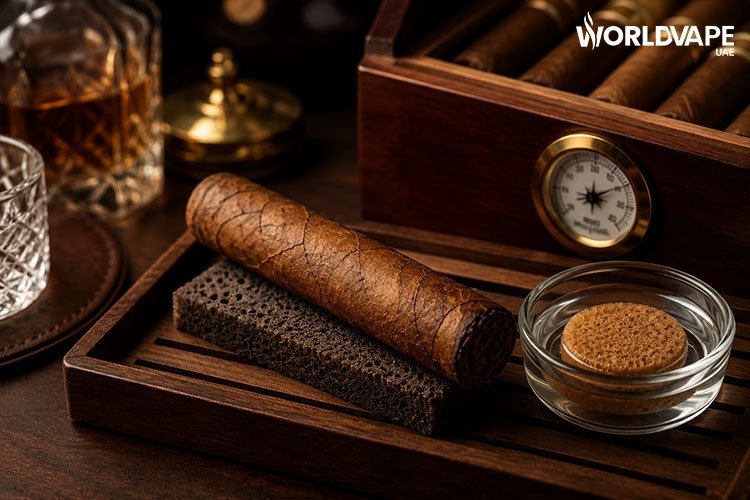
Does a Rehydrated Cigar Taste the Same?
Not always.
Slow rehydration can make a dry cigar much more enjoyable to smoke, but it cannot necessarily restore every characteristic it had before it dried out.
A cigar’s flavor comes from the tobacco itself, including compounds and oils that contribute to its aroma and taste. Prolonged exposure to excessively dry conditions can alter those characteristics.
That means a successfully rehydrated cigar may smoke reasonably well without tasting exactly as it would have if it had been stored correctly from the beginning.
For valuable Cuban cigars, aged tobacco, or premium brands such as Cohiba cigars, proper storage is therefore much better than attempting to recover a severely dried cigar later.
What About a Slightly Dry Cigar?
A slightly dry cigar is a different situation from one that is completely brittle.
If the wrapper is still flexible, there are no major cracks, and the cigar has only recently lost moisture, it may have a good chance of recovery.
In that situation, avoid lighting it immediately if you want the best possible smoking experience. Give it time to stabilize in a controlled environment first.
The less severe the drying, the more reasonable it is to attempt gradual reconditioning.
How to Prevent Cigars From Drying Out
Prevention is much easier than trying to recover a severely dry cigar.
The most important step is maintaining stable storage conditions.
A properly maintained humidor or suitable airtight storage system can help protect cigars from excessive moisture loss. Keep cigars away from direct heat, strong airflow, radiators, and other environments where humidity can fluctuate significantly.
You should also monitor the humidity inside your storage environment rather than relying only on how the cigar feels.
If you are storing premium cigars for an extended period, proper storage becomes especially important. Our guide on How to Store Cuban Cigars Properly? explains the key principles for keeping cigars in suitable conditions over time.
Can You Smoke a Dry Cigar Without Rehydrating It?
Yes, but there is little reason to do so if the cigar is still potentially recoverable.
If you smoke it while it is significantly dry, expect a faster burn, hotter smoke, harsher flavors, and a greater chance of wrapper damage.
If the cigar is only slightly dry and you are willing to accept a less-than-ideal experience, it can technically still be smoked. However, allowing it to stabilize first is generally the better choice.
Final Verdict: Should You Smoke a Dry Cigar?
You can smoke a dry cigar, but you generally should not.
A dry cigar may burn too quickly, taste harsh or bitter, produce hotter smoke, and develop wrapper cracks during the smoking process. If the cigar is still structurally sound, slow rehydration can be a better alternative.
The key is patience. Never try to restore a severely dry cigar by exposing it directly to water or excessive humidity. Use a controlled environment and allow the moisture to return gradually.
For cigar enthusiasts shopping for cigars dubai, proper storage after purchase is just as important as choosing the right cigar. And if you are looking for a reliable cigar shop dubai, make sure the cigars are being stored under appropriate conditions before buying them.
Ultimately, a well-maintained cigar will almost always provide a better experience than one that has been allowed to dry out and then rushed back to smoking condition.
Frequently Asked Questions
Can you smoke a dry cigar?
Yes, you can smoke a dry cigar, but it is generally not recommended. A dry cigar can burn too quickly, taste bitter or harsh, produce hotter smoke, and develop cracks in the wrapper.
Is it okay to smoke a dry cigar?
It is possible, but a dry cigar usually will not provide the flavor, aroma, or burn characteristics of a properly stored cigar. If it is still structurally intact, slow rehydration is usually a better option.
What happens if you smoke a dry cigar?
A dry cigar can burn faster and hotter than normal. The smoke may taste harsh or bitter, the burn can become uneven, and the wrapper may crack or unravel during smoking.
Are cigars ruined if they dry out?
Not always. A cigar that is only slightly or moderately dry may be recoverable through slow rehydration. However, a cigar with severe cracking, crumbling tobacco, or major structural damage may not fully recover.
How can you tell if a cigar is too dry to smoke?
Signs include a brittle or papery wrapper, visible cracks, a very light feel, weak aroma, and tobacco that feels unusually dry or crunchy. If the cigar is falling apart or severely damaged, it may be beyond recovery.
How do you rehydrate a dry cigar?
Rehydrate a dry cigar slowly in a controlled environment using a suitable humidor or airtight container with a cigar humidity pack. Avoid direct water, wet paper towels, or sudden exposure to very high humidity.
How long does it take to rehydrate a dry cigar?
It depends on how severely the cigar has dried out. A slightly dry cigar may recover relatively quickly, while a severely dry cigar can require several days or even weeks of gradual rehydration.
Does rehydrating a cigar restore its original flavor?
Rehydration can improve the cigar’s smoking characteristics, but it may not completely restore its original flavor and aroma. A cigar that has been severely dry for a long time may not taste exactly as it did before it lost moisture.