


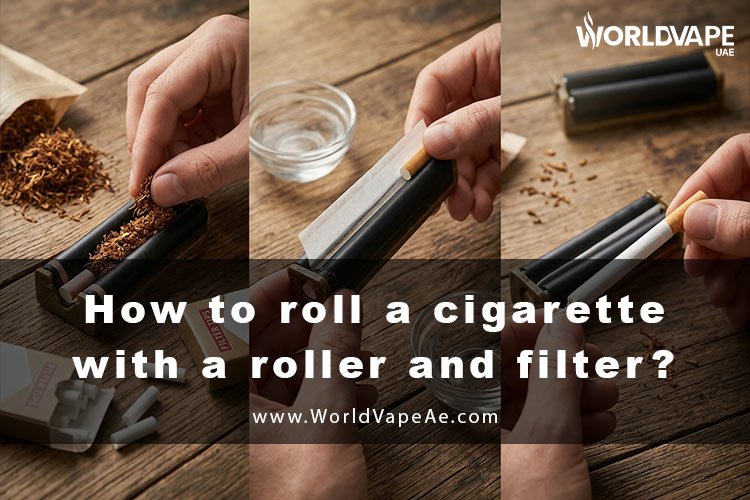
Rolling a cigarette with a roller is a simple way to make a neat, evenly shaped cigarette without having to roll it completely by hand. A cigarette roller helps shape the tobacco and paper into a consistent cylinder, while a filter provides a firm end and makes the finished cigarette easier to hold.
If you are new to using a cigarette rolling machine, the process may look complicated at first. In practice, however, it only takes a few basic steps: prepare the tobacco, place the filter, shape the tobacco with the roller, insert the rolling paper, seal it, and remove the finished cigarette.
This guide explains how to roll a cigarette with a roller and filter step by step, including how to position the tobacco and filter, how to avoid common mistakes, and how to get a more even result.
What You Need to Roll a Cigarette with a Roller?
Before you start, prepare everything you need so you do not have to stop halfway through the process.
You will need:
- A cigarette rolling machine or roller
- Rolling paper that fits your roller
- Rolling tobacco
- A cigarette filter or filter tip
- A clean, flat surface
The size of the paper and roller should match. A paper that is too large or too small can make the cigarette difficult to shape properly.
If you are comparing different types of tobacco, rolling tobacco is specifically designed to be used with rolling papers and is generally easier to distribute evenly than tobacco that is too coarse or too dry.
What Does a Cigarette Roller Do?
A cigarette roller is a small manual device with two rollers and a flexible rolling surface. Instead of shaping the cigarette entirely with your fingers, you place the tobacco inside the roller and use the rollers to form it into a cylindrical shape.
The main advantage is consistency. The roller helps distribute pressure around the tobacco and creates a more uniform shape.
How to Roll a Cigarette with a Roller and Filter?
The easiest way to learn is to follow the process one step at a time. Do not rush the rolling motion, especially when you are using a roller for the first time.
Step 1: Prepare Your Rolling Roller
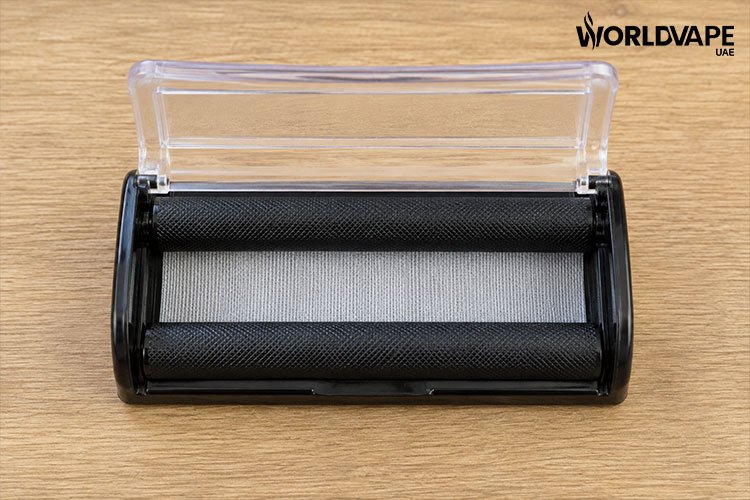
Place the roller on a clean, stable and flat surface.
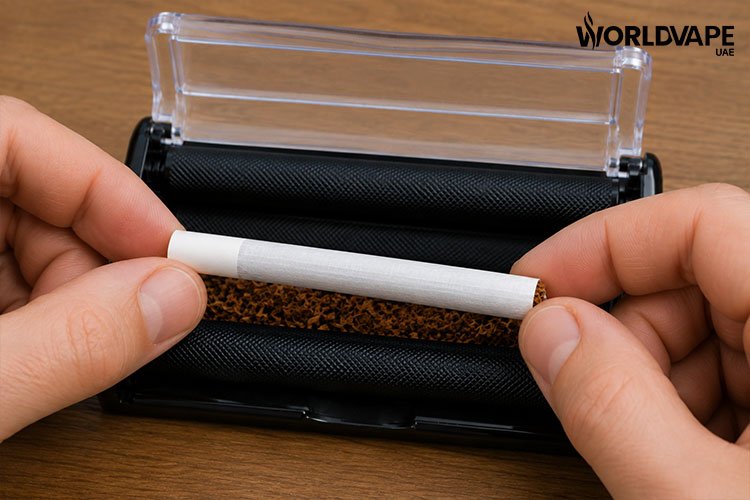
Open the roller so that the flexible rolling surface creates a small trough or recess. This is where you will place the tobacco and filter.
Before starting, make sure there is no loose tobacco or debris left inside the roller. A clean roller makes it easier to achieve a smooth result.
Step 2: Place the Filter at One End
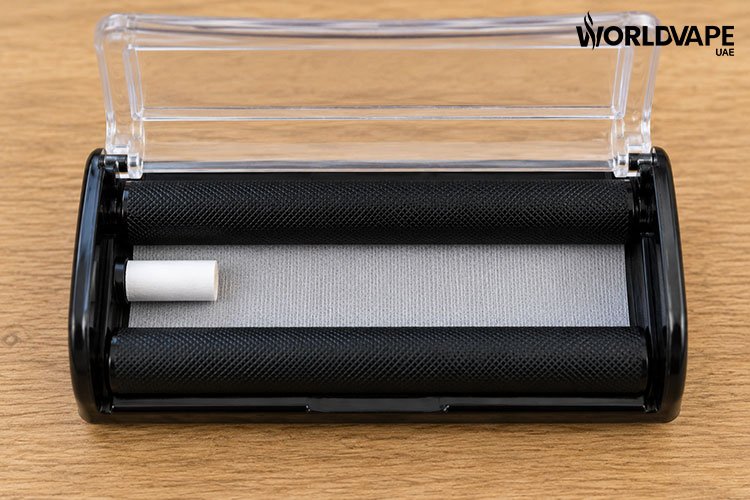
Place the cigarette filter at one end of the roller.
The filter should sit horizontally across the width of the rolling area, leaving enough space for the tobacco to sit directly beside it.
Try to keep the filter straight rather than placing it at an angle. A crooked filter can cause the paper to roll unevenly.
The filter also acts as a useful reference point: once it is positioned correctly, you can spread the tobacco from the filter toward the opposite end.
Step 3: Add the Rolling Tobacco
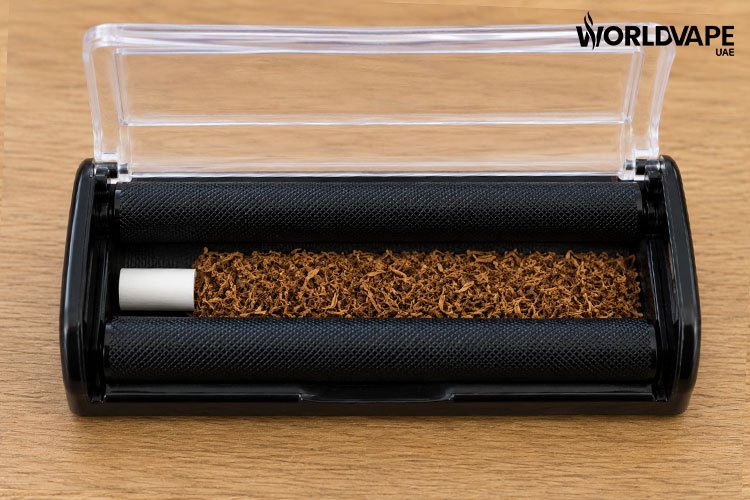
Add a small amount of tobacco into the roller next to the filter.
Do not create one large pile in the middle. Instead, loosen the tobacco with your fingers and distribute it evenly across the length of the roller.
The goal is to create an even layer rather than a tightly packed mass.
If there is too much tobacco, the finished cigarette may become overly tight and difficult to roll. If there is too little, the cigarette may feel loose and the tobacco can move around inside the paper.
A good starting point is to use enough tobacco to form an even cylinder without forcing the roller to close.
Step 4: Close the Roller and Shape the Tobacco
Once the filter and tobacco are positioned correctly, close the roller.
Use your thumbs to move the rolling mechanism slowly. The tobacco will begin to move and form into a cylindrical shape around the filter.
At this stage, you are not wrapping the paper yet. The purpose is to shape the tobacco and make sure it is distributed evenly.
Move the roller gently rather than forcing it. If the roller feels unusually difficult to move, open it and check whether too much tobacco has been added.
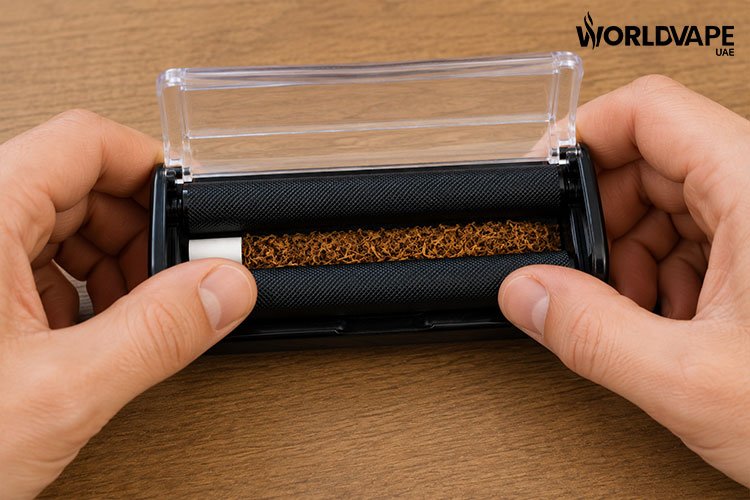
Step 5: Check the Shape Before Adding the Paper
Pause for a moment and look at the tobacco inside the roller.
The tobacco should be distributed reasonably evenly from the filter toward the other end. There should not be a large empty space next to the filter or a large pile of tobacco at the opposite end.
This is one of the most important parts of the process because correcting an uneven fill is much easier before the paper is inserted.
If necessary, open the roller and redistribute the tobacco before continuing.
Step 6: Insert the Rolling Paper
Take a sheet of rolling paper that matches the size of your roller.
Identify the gummed edge—the narrow strip used to seal the paper.
Insert the rolling paper into the opening of the roller according to the orientation recommended for your particular machine. Keep the paper straight and centered.
The filter should remain at one end while the paper begins wrapping around the tobacco.
Do not push the paper too far into the roller. Let the mechanism pull the paper around the tobacco naturally as you continue the rolling motion.
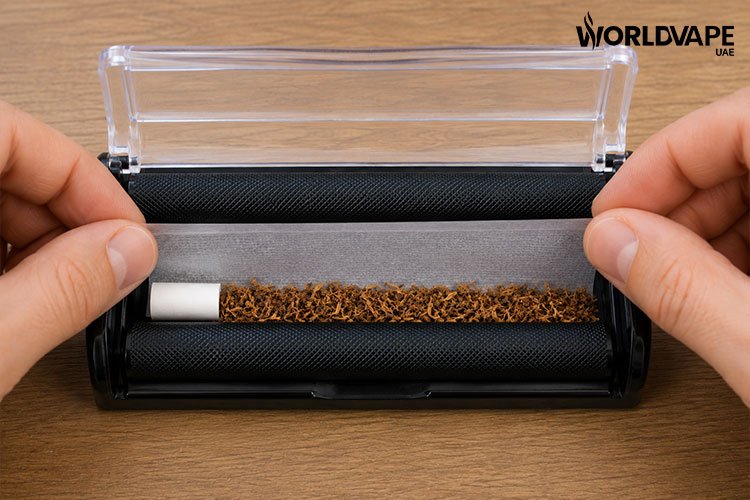
Step 7: Roll the Paper Around the Tobacco
Slowly move the roller again.
As the rollers turn, the paper will begin wrapping around the tobacco and filter.
Keep the movement smooth and controlled. You do not need to apply excessive pressure.
Watch the gummed edge of the paper as it approaches the roller opening. Stop when enough of the adhesive strip remains accessible to seal the cigarette.
This is an important moment: rolling too far before sealing can make it difficult to wet and secure the adhesive edge.
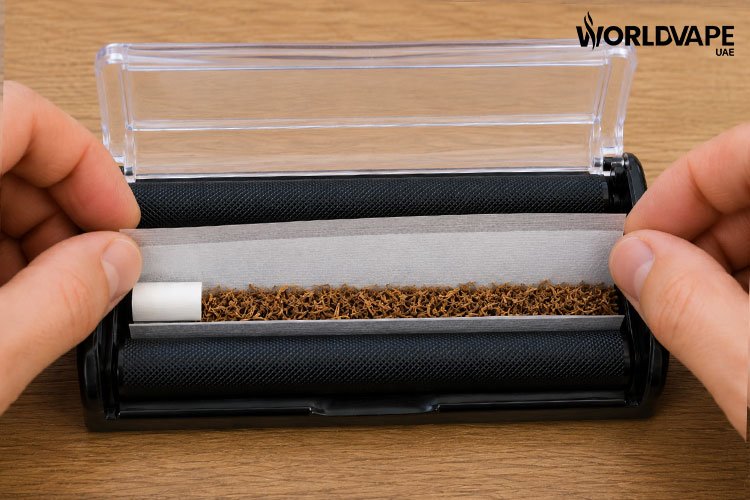
Step 8: Seal the Rolling Paper
Once the gummed edge is accessible, lightly moisten the adhesive strip.
The strip only needs enough moisture to activate the gum. Avoid soaking the paper because excessive moisture can weaken it or cause it to wrinkle.
Continue the rolling motion gently until the paper closes around the tobacco.
The finished cigarette should now have a continuous paper wrap with the filter securely positioned at one end.
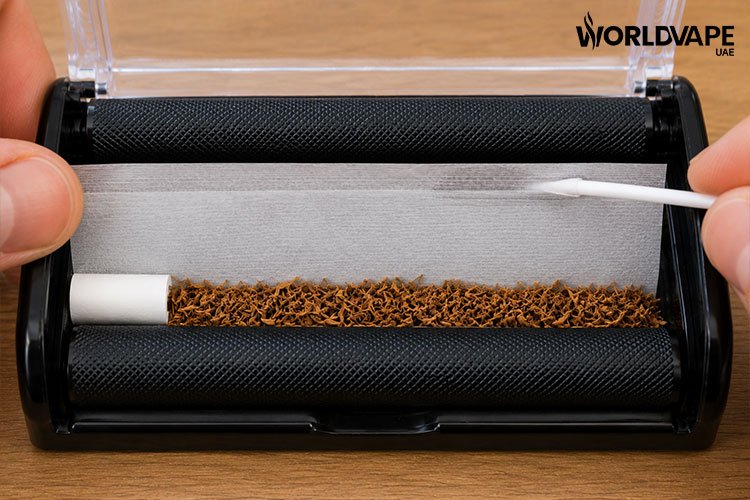
Step 9: Remove the Finished Cigarette
Open the roller carefully.
The completed cigarette should separate from the rolling surface without much effort.
Lift it out gently, especially if the paper is still slightly damp from sealing.
Give the sealed edge a few moments to set before handling it too much.
If the cigarette looks uneven, do not try to squeeze it aggressively. Gentle adjustment is usually enough.
How to Get an Evenly Rolled Cigarette
The biggest difference between a beginner’s first attempt and a well-formed cigarette usually comes down to tobacco distribution and pressure.
Keep these points in mind:
Distribute the Tobacco Evenly
Avoid placing most of the tobacco in the center. Spread it along the length of the roller so that the tobacco forms a relatively consistent cylinder.
Do Not Overfill the Roller
Adding more tobacco does not necessarily produce a better cigarette. Too much tobacco can make the roller difficult to operate and can create an overly dense result.
Avoid Packing the Tobacco Too Tightly
The tobacco should be shaped rather than crushed. Excessive pressure can make the finished cigarette unusually firm.
Keep the Filter Straight
A filter that is positioned at an angle can make the entire cigarette look uneven. Use the edge of the roller as a visual reference when positioning it.
Match the Paper to the Roller
Make sure the paper size is appropriate for your roller. Using the wrong size can make the paper difficult to feed and seal.
Common Problems When Using a Cigarette Roller
Even though a roller makes the process easier, beginners can still encounter a few common problems.
Why Is My Cigarette Too Tight?
The most common reason is too much tobacco or excessive pressure during the shaping stage.
Try using a smaller amount and distribute it more loosely across the roller.
The goal is an even fill rather than a compressed one.
Why Is the Cigarette Too Loose?
A loose cigarette can result from using too little tobacco or failing to distribute it evenly.
Check the tobacco before inserting the paper and make sure there are no large gaps.
Why Does the Paper Tear?
Paper can tear when there is too much tobacco, excessive pressure, or too much moisture on the gummed edge.
Try reducing the amount of tobacco and use only enough moisture to activate the adhesive.
Why Is the Filter Crooked?
A crooked filter is usually caused by placing it at an angle before closing the roller.
Position the filter carefully at one end and make sure it is sitting straight before adding the tobacco.
Why Does Tobacco Fall Out?
Tobacco may fall from the end when the fill is uneven or when there is too little tobacco around the filter.
Check the distribution before rolling the paper and avoid leaving a large gap between the filter and tobacco.
Why Won’t the Roller Move Smoothly?
If the roller becomes difficult to turn, stop rather than forcing it.
Open the machine and check for:
- Too much tobacco
- Tobacco caught between the rollers
- Paper positioned incorrectly
- Foreign material inside the roller
Removing excess tobacco and repositioning the contents usually solves the problem.
How Much Tobacco Should You Use?
There is no single amount that works for every roller.
The appropriate amount depends on:
- The size of the roller
- The size of the rolling paper
- The size of the filter
- The type and texture of the tobacco
- How firmly you want the cigarette shaped
Instead of measuring a precise quantity, focus on creating an even layer that fits comfortably inside the roller.
For beginners, using slightly less tobacco is often easier than trying to force an overfilled roller closed.
What Type of Filter Should You Use?
Filter tips come in different sizes and materials, so it is important to choose one that is compatible with the paper and roller you are using.
A standard cigarette filter can provide a firm mouthpiece and help maintain the shape of the cigarette.
Some people also use paper or cardboard filter tips. These can be shaped to the desired size and are generally used as a mouthpiece rather than functioning in exactly the same way as a conventional cigarette filter.
If you are unsure which size to choose, check the specifications of your roller and rolling papers before purchasing accessories.
Roller vs. Hand Rolling: Which Is Easier?
For beginners, a roller can make the process easier because it handles much of the shaping automatically.
With hand rolling, you need to control the paper, tobacco and filter with your fingers while simultaneously creating the correct shape. A roller provides a defined space for the tobacco and uses its mechanism to form the cylinder.
A roller may be preferable if you:
- Are new to rolling cigarettes
- Want a more consistent shape
- Find hand rolling difficult
- Want to make several cigarettes with similar dimensions
Hand rolling may be preferable if you:
- Prefer more direct control
- Already have experience rolling
- Want to adjust the shape manually
- Do not want to carry a rolling machine
Neither method eliminates the need for practice. The more important factor is learning how the tobacco, paper, filter and roller work together.
Can You Use Different Types of Tobacco in a Roller?
A roller is generally designed to work with loose tobacco suitable for rolling papers.
The texture and moisture level of the tobacco can affect the final result. Tobacco that is extremely dry may be difficult to shape evenly, while tobacco that is too moist may be harder to handle.
If you are looking to buy tobacco, make sure you select a product that is intended for the way you plan to use it and that it complies with the tobacco laws in your location.
For people interested in different tobacco products, rolling tobacco is different from products such as cigars and Cigarillo, which are manufactured and constructed differently.
Tips for Beginners
If this is your first time using a cigarette roller, keep the process simple.
- Start with a clean roller.
- Choose paper that matches your roller.
- Place the filter straight.
- Spread the tobacco evenly.
- Avoid overfilling.
- Roll slowly during the shaping stage.
- Check the tobacco distribution before inserting the paper.
- Keep the gummed edge accessible before sealing.
- Use only a small amount of moisture on the adhesive.
- Allow the finished cigarette to settle before handling it too much.
The first few attempts may not look perfect. Once you understand how much tobacco your particular roller can handle, the process becomes much more predictable.
Frequently Asked Questions
How do you roll a cigarette with a roller and filter?
Place the filter at one end of the roller, distribute rolling tobacco evenly beside it, close the roller and shape the tobacco into a cylinder. Insert the rolling paper, roll the paper around the tobacco, moisten the gummed edge, and complete the final rotation to seal the cigarette.
Can you use a filter with a cigarette rolling machine?
Yes. A filter can be placed at one end of the roller before adding the tobacco. The tobacco is then distributed beside the filter so that both are wrapped together when the paper is rolled.
How much tobacco should I put in a cigarette roller?
There is no universal amount because roller and paper sizes vary. Use enough tobacco to create an even cylinder without overfilling the roller. Too much tobacco can make the cigarette excessively tight and difficult to roll.
Why does my rolling paper keep tearing?
Paper may tear because the roller is overfilled, too much pressure is being applied, or the paper becomes excessively wet. Check the amount of tobacco and use only enough moisture to activate the gummed edge.
Why is my cigarette uneven?
Uneven cigarettes are usually caused by uneven tobacco distribution or a crooked filter. Before inserting the paper, make sure the tobacco is spread consistently and the filter is positioned straight.
Is a cigarette roller easier than rolling by hand?
For many beginners, yes. A roller provides a defined space for the tobacco and helps create a consistent cylindrical shape, while hand rolling requires more finger control and practice.
What size rolling paper should I use?
The paper should correspond to the dimensions of your roller. Check the roller’s recommended paper size before purchasing. Using a mismatched paper can make feeding and sealing more difficult.
Can I use rolling tobacco in a cigarette roller?
Yes. Loose rolling tobacco is commonly used with cigarette rollers and rolling papers. The tobacco should be distributed evenly rather than packed into one concentrated pile.
How do I stop tobacco from falling out?
Make sure the tobacco is distributed evenly and that there is no large gap between the filter and the tobacco. Avoid leaving the cigarette excessively loose during the shaping process.
Final Thoughts
Learning how to roll a cigarette with a roller and filter is mainly about getting three things right: the amount of tobacco, the position of the filter, and the movement of the roller.
Start by keeping the tobacco evenly distributed, avoid overfilling the machine, and make sure the filter is straight before you begin. Once the tobacco has been shaped, insert the paper carefully and pay attention to the gummed edge so you can seal the cigarette cleanly.
If you are researching other tobacco products and accessories in the UAE, you can also explore current options and product information through World Vape UAE. For cigar-related products, understanding the difference between cigarettes, cigars and Cigarillo can also help you choose the product category that matches your preferences.
If you are comparing tobacco products and prices, searches such as Cigar price UAE can also help you understand the range of products available in the local market.
As with all tobacco products, remember that nicotine is addictive and smoking carries significant health risks. Always follow the legal age, purchasing and use requirements that apply where you live.


