


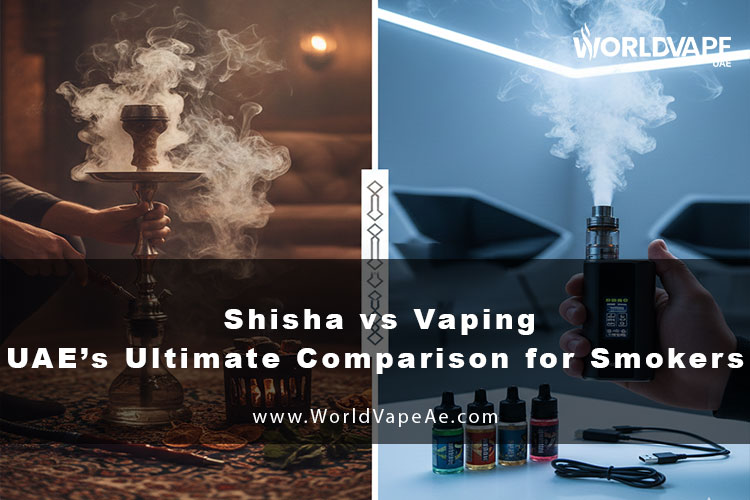
In the vibrant social landscape of the UAE, seeking alternatives to traditional smoking often leads to two dominant choices: the timeless ritual of shisha (hookah) and the modern convenience of vaping. Both offer distinct methods of relaxation and socialization, but they differ profoundly in their cultural origins, operational science, and potential impact on health.
Deciding between the communal experience of shisha and the individualized freedom of a vape dubai device requires understanding their core mechanics and consequences. This guide provides a detailed comparison to help you make an informed choice that suits your lifestyle.
The Core Difference: Combustion vs. Vaporization
The fundamental contrast between shisha and vaping lies in how the substance is consumed:
Shisha: A Cultural Ritual of Smoke
Shisha involves the use of a water pipe (hookah) to smoke specially flavored tobacco, known as “mu’assel.” Originating centuries ago in the Middle East and South Asia, a session is a cultural institution. The process involves:
Heating the flavored tobacco using charcoal, which requires combustion.
The resulting smoke is drawn through water before being inhaled.
Sessions are prolonged, often lasting an hour or more, making them inherently communal and slow-paced.
Vaping: A Modern Approach to Vapor
Vaping utilizes a battery-powered device (e-cigarette or mod) to heat an e-liquid (vape juice). This process involves:
Heating the liquid into an aerosol (vapor) without combustion.
Vape devices offer extensive customization, from simple pen styles to advanced kits.
Like shisha, vaping offers an enormous selection of flavors, ranging from simple mint to complex dessert profiles.
Health and Chemical Concerns: The Filter Myth
When comparing these two methods, health considerations are paramount. Neither option is without risk, and common misconceptions often influence user perception.
Shisha: Prolonged Exposure to Toxins
The idea that the water in a hookah pipe acts as a filter is a long-standing myth. Research consistently shows that shisha smoke contains many of the same harmful compounds found in cigarette smoke, including carbon monoxide, tar, and heavy metals.
Smoke Volume: Due to the extended duration, a single shisha session can expose the user to significantly more smoke volume than a single cigarette.
Charcoal Risks: The charcoal used to heat the mu’assel also generates additional harmful toxins and carbon monoxide, compounding the health risk.
Vaping: Risks of Aerosol and Nicotine
Vaping avoids the combustion process, which eliminates many of the harmful byproducts associated with burning tobacco. However, it is not risk-free:
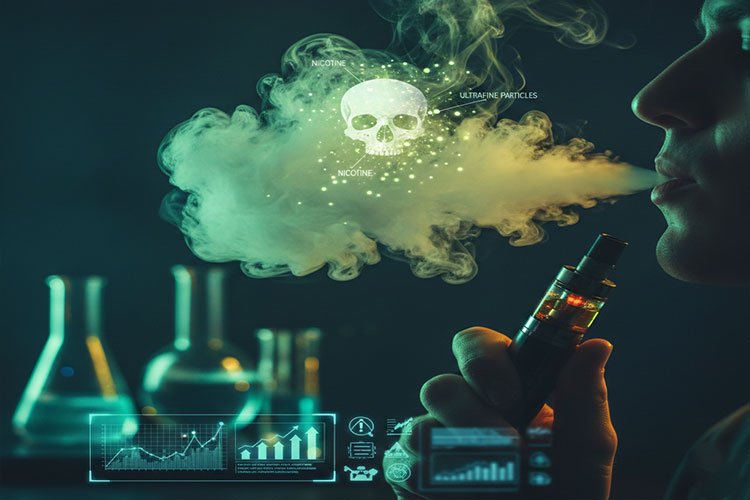
Chemicals: E-liquids contain nicotine (which is highly addictive) and other chemicals, which can potentially cause throat and lung irritation.
Overheating: Concerns exist regarding the release of potentially toxic materials if certain vape coil dubai devices are overheated or used outside recommended wattage settings.
The long-term effects of inhaling vaporized e-liquid are still being studied, but it is generally positioned as a less harmful alternative for existing adult smokers, not as a completely safe recreational choice.
Social & Lifestyle Factors
The choice often comes down to the user’s preferred social setting and required convenience.
The Communal Nature of Shisha
Shisha holds deep social and cultural weight. It is an activity built for shared conversation, relaxation, and communal bonding. It requires a dedicated setting, preparation time, and is often enjoyed in specialized lounges. This inherent lack of portability makes it a ceremonial activity.
The Convenience of Vaping
Vaping is designed for portability and individual use. Devices are compact, require minimal setup, and can be used in almost any location where general smoking rules permit. The rise of vape shop ajman and online retailers reflects the industry’s focus on individual convenience and accessibility. While vaping has online communities, the physical act remains more personal than communal.
Conclusion: Making an Informed Decision
Choosing between shisha and vaping ultimately rests on balancing priorities:
| Feature | Shisha (Hookah) | Vaping (E-Cigarette) |
|---|---|---|
| Consumption | Combustion (Smoke + Charcoal) | Vaporization (Aerosol) |
| Health Profile | High exposure to toxins; prolonged duration | Less harmful than smoking; long-term effects still researched |
| Social Appeal | Communal, traditional, ritualistic | Individual, convenient, portable |
| Time Investment | High (60+ minutes per session) | Low (Instant, short bursts) |
If you prioritize tradition and a slow, shared experience, shisha might appeal to you. If your priority is maximum convenience, portability, and a modern approach, vaping is the clear choice.
For those transitioning from traditional Cigars dubai or cigarettes, vaping often serves as a more direct and personalized nicotine replacement tool. Understanding the risks and aligning the activity with your lifestyle is key to a satisfying and responsible experience.
Frequently Asked Questions
Why does the water in a hookah not filter out harmful chemicals?
While the water cools the smoke, it does not effectively filter out toxic chemicals like carbon monoxide, heavy metals, and tar produced by the burnt tobacco and charcoal. Research indicates that shisha smoke still carries significant health risks.
Is it possible for a vape device to release toxic materials?
Yes. Studies have raised concerns that if certain vape devices or coils are operated at wattages higher than recommended, the e-liquid can overheat and release potentially toxic materials. Always stay within the recommended power range stamped on your coil or device packaging.
Why is cleaning condensation necessary in my vape device?
Condensate (moisture) builds up inside the device chamber. If left uncleaned for several days, this can affect performance, taste, and potentially cause leakage back through the mouthpiece. It is best practice to clean the chamber every 2–3 days with a tissue or Q-tip.