



There is no single nicotine strength that is right for every beginner.
For an adult smoker who is switching to vaping, lower and moderate nicotine strengths are generally the better place to start rather than immediately choosing the highest concentration available.
As a general reference:
- 0mg: No nicotine
- 3mg: Low freebase nicotine
- 6mg: Moderate-low freebase nicotine
- 12mg–18mg: Higher freebase nicotine
- 20mg–25mg salt nicotine: Moderate-to-higher salt nicotine
- 30mg–35mg salt nicotine: High salt nicotine
- 50mg salt nicotine: Very high nicotine concentration
The important point is that freebase and salt nicotine should not be compared by the number alone. A 6mg freebase liquid is not simply equivalent to a 6mg nicotine salt liquid in terms of how it feels and how nicotine is delivered.
What Does Nicotine Strength Mean?
Nicotine strength tells you how much nicotine is contained in the e-liquid, usually expressed as mg/ml.
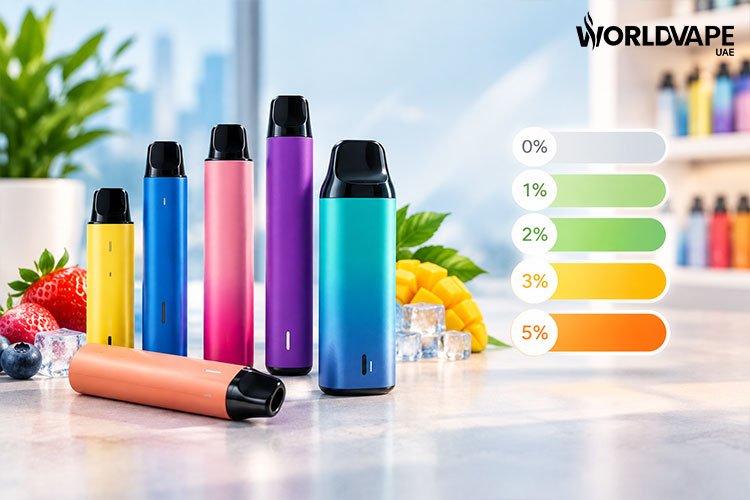
You may also see nicotine expressed as a percentage.
For example:
| Nicotine Percentage | Nicotine Strength |
|---|---|
| 0% | 0mg/ml |
| 0.3% | 3mg/ml |
| 0.6% | 6mg/ml |
| 1% | 10mg/ml |
| 2% | 20mg/ml |
| 3% | 30mg/ml |
| 3.5% | 35mg/ml |
| 5% | 50mg/ml |
So, when a disposable vape is labelled 5% nicotine, that normally means approximately 50mg/ml.
The higher the concentration, the more nicotine is present in the liquid. However, the amount actually delivered to the user also depends on the device, power, liquid formulation and vaping behaviour.
Research has found that nicotine salts can produce higher nicotine delivery than freebase nicotine at the same labelled concentration under controlled conditions.
Freebase Nicotine vs Salt Nicotine
One of the most important decisions for a beginner is understanding the difference between freebase and salt nicotine.
Freebase Nicotine
Freebase is the traditional form of nicotine used in many Vape Liquids.
Common strengths include:
- 0mg
- 3mg
- 6mg
- 12mg
- 18mg
Freebase nicotine is commonly associated with devices that use lower nicotine concentrations and can provide a more noticeable throat hit as the concentration increases.
It is frequently used with higher-power devices and larger vapour production.
Salt Nicotine
Salt nicotine is a different formulation designed to provide a smoother experience at higher nicotine concentrations.
It is commonly found in:
- Pod systems
- Low-power MTL devices
- Many disposable vapes
Common strengths include 20mg, 25mg, 30mg, 35mg and 50mg.
Because nicotine salts can feel smoother at higher concentrations, it is particularly important not to assume that a high-strength salt nicotine liquid is equivalent to a high-strength freebase liquid.
Nicotine Strength Comparison for Beginners
The following table provides a practical overview of the strengths commonly encountered when shopping for vape products.
| Nicotine Strength | Type | General Level | Common Context |
|---|---|---|---|
| 0mg | Freebase | None | Nicotine-free vaping |
| 3mg | Freebase | Low | Low-nicotine vaping |
| 6mg | Freebase | Low–moderate | Lower-strength freebase setups |
| 12mg | Freebase | Moderate–high | Higher nicotine freebase |
| 18mg | Freebase | High | Higher-strength freebase liquids |
| 20mg | Salt | Moderate | Pod systems and lower-power devices |
| 25mg | Salt | Moderate–high | Pod/disposable formats |
| 30mg | Salt | High | Higher-nicotine pod setups |
| 35mg | Salt | High | High-strength salt nicotine |
| 50mg | Salt | Very high | High-strength salt nicotine products |
Remember: this table describes concentration, not a guarantee of how much nicotine you will absorb from each product.
Is 3mg Nicotine Good for a Beginner?
3mg freebase nicotine is a relatively low concentration.
It may be appropriate for an adult who already prefers a low-nicotine setup or is using a higher-power device where more e-liquid is vaporized per puff.
However, someone transitioning from regular cigarette smoking may find 3mg insufficient and may compensate by vaping more frequently.
This is why the device matters just as much as the number printed on the bottle.
A 3mg liquid used in a powerful sub-ohm device can produce a very different experience from 3mg in a low-power pod.
Is 6mg Nicotine Too Much for a Beginner?
Not necessarily.
6mg freebase is still relatively low compared with many salt-nicotine products. However, whether it feels appropriate depends on your previous nicotine consumption and the device you’re using.
For example, someone using a high-powered DTL device may choose a lower nicotine concentration because the device produces considerably more vapour per puff.
A beginner should therefore avoid choosing nicotine strength based only on the number of milligrams.
Is 20mg Nicotine High?
20mg/ml is a moderate-to-high concentration when referring to nicotine salt.
It is considerably stronger by concentration than common 3mg or 6mg freebase liquids.
Nicotine salts are often used in lower-power pod-style devices, where the amount of liquid vaporized per puff is different from a high-powered device.
For that reason, 20mg salt nicotine should not be treated as simply “three times stronger” than 6mg freebase.
The formulation and device both matter.
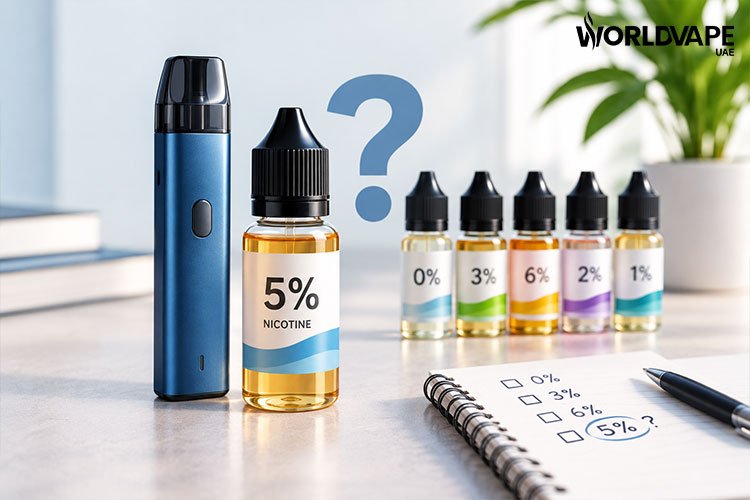
Is 5% Nicotine Too Strong for Beginners?
5% nicotine means approximately 50mg/ml, which is a very high concentration.
It is not a sensible default choice simply because someone is new to vaping.
High nicotine exposure can cause unpleasant symptoms such as:
- Dizziness
- Headache
- Nausea
- Increased heart rate
- Throat irritation
- Feeling unwell
If you experience symptoms that suggest you have taken too much nicotine, stop using the product. Severe symptoms require medical attention.
The smoother sensation of nicotine salts can also make it easier to consume a high concentration without experiencing the same throat harshness associated with freebase nicotine.
How Should Beginners Choose Nicotine Strength?
Instead of asking “What is the strongest nicotine I can use?”, a better question is:
“What is the lowest strength that adequately meets my nicotine needs?”
For an adult smoker considering a switch, consider these factors:
1. Your Previous Smoking Habit
Someone who previously smoked heavily may have very different nicotine requirements from someone who only smoked occasionally.
Your previous cigarette consumption can therefore provide useful context when discussing an appropriate starting level with a qualified professional or knowledgeable retailer.
2. Your Vape Device
Device power has a major effect on the vaping experience.
Low-power pod/MTL devices are commonly paired with nicotine salts.
Higher-power DTL devices generally use lower-strength freebase liquids.
Using a high-nicotine liquid in a device designed for substantial vapour production can result in excessive nicotine exposure.
3. Freebase or Salt?
If you are looking at Vape Liquids, first identify whether the product contains freebase or salt nicotine.
Don’t compare:
6mg freebase = 6mg salt
as if they provide exactly the same experience.
They can behave differently because of formulation, device characteristics and nicotine delivery.
4. How Frequently You Vape
Nicotine intake isn’t determined by concentration alone.
If you take many puffs throughout the day, your total nicotine exposure can be considerably different from someone using the same liquid occasionally.
What Are the Signs That Your Nicotine Strength May Be Too High?
Your body can provide clues that the concentration or your overall nicotine intake is too much.
Possible symptoms include:
- Dizziness or lightheadedness
- Headache
- Nausea
- Unusual sweating
- Increased heart rate
- Feeling shaky or generally unwell
If this happens, stop vaping rather than continuing to take more puffs.
Nicotine is an addictive substance, and acute nicotine exposure can be toxic. Nicotine-containing e-liquids should also be kept away from children and pets because accidental ingestion or exposure can be dangerous.
What If Your Nicotine Strength Is Too Low?
A strength that is too low may leave an adult smoker feeling that the nicotine isn’t adequately meeting their usual cravings.
One possible response is vaping much more frequently.
However, increasing nicotine concentration should not be done automatically. Consider the device, nicotine type and your existing nicotine use before changing levels.
If your goal is to gradually reduce your nicotine intake, choosing lower-nicotine products and reducing your nicotine strength over time may be an approach worth considering. For more information, read our guide on How to Reduce Nicotine Intake Safely with Low-Nicotine Vaping.
Disposable Vapes and Nicotine Strength
Nicotine strength is particularly important when choosing a disposable vape because many disposable products use nicotine salts.
If you’re searching for a disposable vape dubai, don’t look only at the flavour or puff count. Check:
- Nicotine concentration
- Whether it uses salt nicotine
- Device type
- Battery and liquid capacity
- Manufacturer information
- Whether the product is intended for your market and is legally sold
A larger puff count does not automatically mean that a product is suitable for a beginner.
Likewise, a higher nicotine percentage isn’t necessarily a better choice.
How World Vape UAE Helps You Understand Your Options
At world vape uae, the goal should be to make the differences between products easier to understand rather than simply choosing the highest available nicotine concentration.
Whether you’re comparing freebase liquids, salt nicotine, pods or disposable products, always check the nicotine level before making a purchase.
If you’re looking for a vape shop dubai, use the same approach: compare the nicotine concentration with the device you’re using and your existing nicotine consumption rather than choosing based only on price, flavour or puff count.
Final Verdict: Which Nicotine Strength Is Best for Beginners?
There isn’t one universal best nicotine strength for beginners.
For an adult smoker moving away from cigarettes, the appropriate starting point depends on previous nicotine use, device type, vaping style and whether the liquid contains freebase or salt nicotine.
The most important lesson is simple:
Don’t choose nicotine strength based solely on the highest number available.
Understand the difference between 3mg, 6mg, 20mg, 30mg and 50mg, understand the difference between freebase and nicotine salts, and match the liquid to the device.
Frequently Asked Questions
What nicotine strength should a beginner use?
There is no single strength suitable for everyone. For adult smokers, the appropriate level depends on previous nicotine consumption, device type and whether the product uses freebase or salt nicotine.
Is 3mg nicotine good for beginners?
3mg is a low freebase concentration and may suit some users, particularly with higher-power devices. It may not provide enough nicotine for every adult smoker transitioning from cigarettes.
Is 6mg nicotine too much for a beginner?
Not necessarily. 6mg freebase is a relatively low concentration compared with high-strength nicotine salts, but the appropriate level depends on the device and the user’s previous nicotine intake.
Is 20mg nicotine high?
20mg/ml is a moderate-to-high concentration for nicotine salt. It should not be directly compared with 20mg freebase because the formulations and delivery characteristics differ.
Is 50mg nicotine too strong for beginners?
50mg/ml, or 5%, is a very high nicotine concentration. It should not be treated as a default beginner strength. High nicotine exposure can cause unpleasant symptoms and nicotine poisoning can be dangerous.
What is the difference between freebase and salt nicotine?
Freebase nicotine is commonly used at lower concentrations and can provide a stronger throat hit as the concentration increases. Nicotine salts are formulated to provide a smoother experience at higher concentrations and are commonly used in lower-power pod and disposable devices.
Can beginners use 0mg nicotine?
Yes, 0mg e-liquid contains no nicotine. However, vaping itself is not risk-free, and people who do not already use tobacco or nicotine products are advised not to start vaping.
How do I know if my nicotine strength is too high?
Dizziness, nausea, headache, feeling shaky, increased heart rate or generally feeling unwell can indicate excessive nicotine exposure. Stop using the product if you experience these symptoms and seek medical attention for severe or persistent symptoms.
Should I choose nicotine strength based on the puff count?
No. Puff count does not tell you whether the nicotine concentration is appropriate. Always check the nicotine strength, nicotine type and device characteristics separately.


